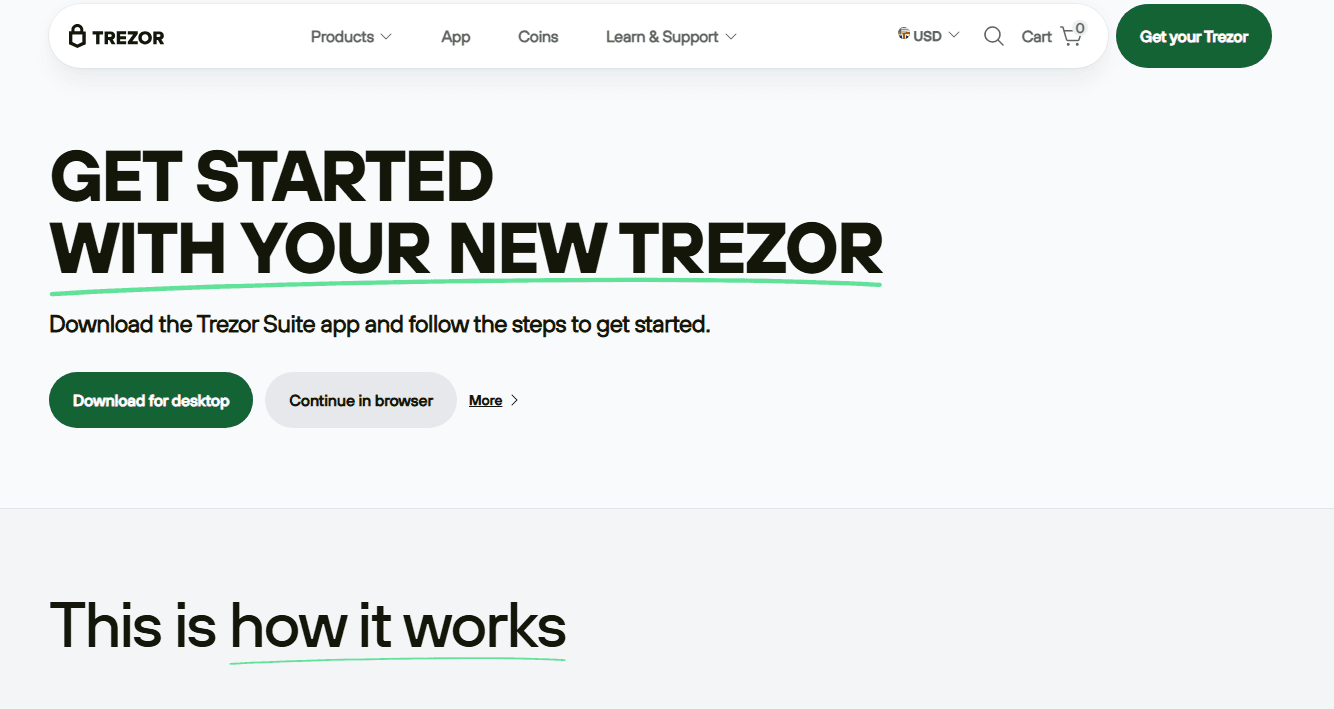
Understanding Trezor.io/Start: A Complete Introduction to Secure Crypto Onboarding
Introduction to Hardware Wallet Onboarding
As cryptocurrency adoption continues to grow, so does the need for strong personal security practices. Hardware wallets are among the safest tools for protecting digital assets, and Trezor is one of the most trusted brands in this space. The page commonly referred to as “trezor.io/start” acts as an official starting point for new users, guiding them through the essential concepts they must understand before using a hardware wallet. It provides verified information, reduces confusion, and helps users avoid common security mistakes.
Why a Dedicated Start Page Matters
In the world of cryptocurrency, accuracy is everything. A single wrong link or misleading guide can result in permanent loss of funds. A dedicated start page ensures that users always begin their journey with correct, official instructions. This reduces exposure to phishing websites, fake applications, and counterfeit guides. By centralizing onboarding information, users gain a reliable and consistent resource, especially important for beginners who may not yet understand which sites are trustworthy.
The Role of Hardware Wallets in Crypto Security
Hardware wallets exist because private keys must remain secure at all times. Unlike software wallets on phones or computers, hardware wallets store private keys in an isolated environment. Even when interacting with an online interface, the keys never leave the physical device. Understanding this separation is a fundamental part of the onboarding process. It helps users appreciate why hardware wallets offer a stronger level of protection and why proper setup is essential.
Introducing the Recovery Seed
One of the most critical topics highlighted during onboarding is the recovery seed. This is usually a list of words generated by the hardware wallet. Those words represent the encrypted form of the wallet’s private keys. Anyone who gains access to the recovery seed can gain control of the associated assets, which is why it must be kept completely offline. Storing it digitally invites risks, as malware and hackers often scan for seed phrases on computers and cloud accounts. The onboarding page reinforces proper seed-handling habits to prevent these avoidable mistakes.
Security Verification and Authenticity Checks
Another key purpose of an official start page is to teach users how to verify the authenticity of their device, firmware, and software tools. In the expanding crypto landscape, counterfeit devices and deceptive websites are real threats. A legitimate onboarding source guides users to trusted downloads, explains how to recognize tampering, and ensures they never install unapproved firmware. These steps build a foundation of trust and eliminate common attack routes used by scammers.
Understanding the Difference Between PINs, Passphrases, and Seeds
Many newcomers confuse different security elements, and this confusion can be dangerous. A structured onboarding guide explains the difference clearly:
A PIN protects access to the physical device.
A recovery seed restores the wallet itself.
A passphrase, if used, adds an additional layer of optional security.
Proper explanations prevent users from mistaking one for another or accidentally exposing sensitive information. Clear definitions are essential for anyone who wants to manage their crypto responsibly.
Learning About Irreversible Transactions
Cryptocurrency transactions differ from traditional finance because they cannot be reversed once confirmed. This immutability protects the network’s integrity but also means users must double-check every detail before approving actions with their hardware wallet. A start page introduces this principle early, reminding users that accuracy—and a cautious mindset—are vital when handling crypto transfers.
Avoiding Common Cryptocurrency Scams
A significant part of safe onboarding involves learning to recognize scams. Social engineering, fake airdrops, fraudulent support chats, and impersonation attempts target new users frequently. Official onboarding content warns users about these risks and teaches them to distrust unsolicited messages, screen-share requests, or instructions that ask for the recovery seed. Education is the strongest defense, and starting at a legitimate source dramatically lowers exposure to these threats.
The Value of Official, Updated Information
Cryptocurrency technology and security practices evolve rapidly. Features change, interfaces get updated, and new threats emerge. A centralized start page ensures that users always follow the most current information rather than relying on outdated blog posts or third-party videos. This consistency improves user experience and prevents missteps that could arise from old or incorrect instructions.
Building Long-Term Security Habits
Onboarding is only the first step. A responsible crypto user must continue practicing good security habits. This includes safeguarding the recovery seed, periodically updating firmware, avoiding suspicious links, and staying alert to new forms of phishing attacks. Over time, the value of digital assets may grow, increasing the incentive for attackers. By teaching strong habits early, an official start portal helps users remain secure in the long run.