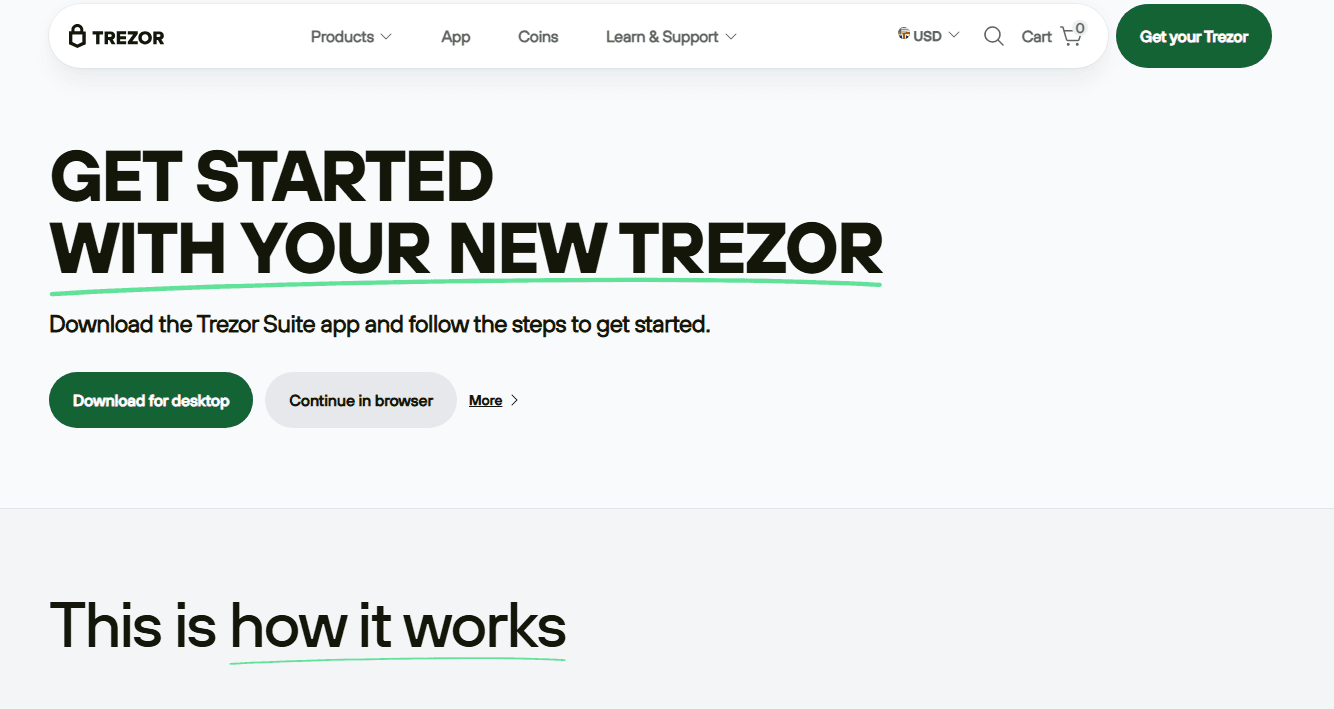
Understanding Trezor.io/Start: A Complete Introduction to Secure Crypto Onboarding
Introduction to Hardware Wallet Onboarding
Entering the cryptocurrency world comes with great opportunity, but it also demands a strong understanding of personal security. Hardware wallets remain one of the most reliable tools for protecting digital assets, and Trezor is widely regarded as a leader in this space. The reference page often known as “trezor.io/start” acts as the official launch point for new device owners. It provides essential information, guiding users through fundamental concepts and helping them embrace secure habits from the very beginning.
Why a Dedicated Start Page Matters
Cryptocurrency relies on accuracy, and even a minor mistake can lead to permanent consequences. Because of this, a centralized start page is extremely valuable. It directs users to verified instructions and serves as a safe entry point into the setup process. In a digital environment where fake guides, misleading links, and imitation websites are common threats, an official starting location reduces confusion and ensures users receive correct information. This single, trusted resource simplifies what could otherwise be a stressful first experience.
The Role of Hardware Wallets in Crypto Security
Hardware wallets exist to keep private keys secure. Unlike mobile or desktop wallets that operate on everyday devices, hardware wallets store private keys inside a protected chip that never exposes them to the internet. Even during interactions with an online interface, the private keys never leave the device. Understanding this core principle helps users appreciate why hardware wallets offer stronger protection than typical software-based solutions. The onboarding experience reinforces the importance of trusting the device’s secure environment rather than relying on potentially vulnerable computers or smartphones.
Introducing the Recovery Seed
One of the most important lessons introduced at the start is the concept of the recovery seed. This list of words represents the encrypted form of a user’s private keys. Whoever controls the full recovery seed can control the associated digital assets, making it the most sensitive piece of information in the entire process. Storing it offline, avoiding digital copies, and keeping it away from cameras or cloud services are essential habits. The start page highlights these points early to ensure that new users learn proper seed protection before they even begin interacting with their wallet.
Security Verification and Authenticity Checks
Another major benefit of an official onboarding page is guidance on verifying authenticity. As cryptocurrency grows, so does the number of counterfeit devices, fraudulent links, and misleading apps. A proper start page instructs users on how to identify legitimate resources, confirm genuine firmware, and avoid untrusted downloads. Learning how to verify authenticity helps prevent tampering and significantly reduces the risk of falling victim to scams. These early checks are key components of long-term crypto safety.
Understanding the Difference Between PINs, Passphrases, and Seeds
New users often confuse the different security elements involved in using a hardware wallet. During onboarding, clear explanations help distinguish these elements:
A PIN protects access to the physical hardware device.
A recovery seed restores the wallet if the device is lost or damaged.
A passphrase (if enabled) acts as an additional layer of optional protection.
Confusing any of these can lead to serious mistakes, such as exposing sensitive information or losing access to funds. The start page lays out the differences to eliminate misunderstanding and build user confidence.
Learning About Irreversible Transactions
One of the defining characteristics of cryptocurrency is transaction finality. Once a transaction is confirmed on the blockchain, it cannot be reversed. This makes caution essential at every step. The onboarding process reinforces the importance of checking addresses, verifying amounts, and reviewing transaction summaries before approving them on the hardware wallet. Teaching this principle from the beginning helps users avoid accidental transfers and reinforces responsible usage.
Avoiding Common Cryptocurrency Scams
Scams targeting cryptocurrency users continue to rise in number and sophistication. Fake support representatives, phishing links, fraudulent giveaways, and malicious pop-ups often focus on inexperienced users. An official start page teaches users to avoid sharing sensitive information, to ignore anyone who asks for a recovery seed, and to be skeptical of unsolicited communication. By helping users recognize these red flags early, the onboarding process acts as a protective shield against common social engineering attacks.
The Value of Official, Updated Information
Cryptocurrency technologies evolve rapidly, and users benefit greatly from following the most current and accurate information. A centralized start page ensures that guidance remains up to date, preventing reliance on outdated blogs or tutorial videos that may no longer reflect best practices. With new features, updated interfaces, and evolving security standards, having one authoritative source ensures users always receive timely and relevant instructions.
Building Long-Term Security Habits
Using a hardware wallet is not just about initial setup—long-term habits matter just as much. Onboarding encourages a mindset of continual security: updating firmware when necessary, storing the recovery seed safely, being cautious of suspicious websites, and remaining alert to new forms of phishing. Over time, as users accumulate more digital assets, maintaining strong habits becomes even more important. A secure start creates a solid foundation for the future.