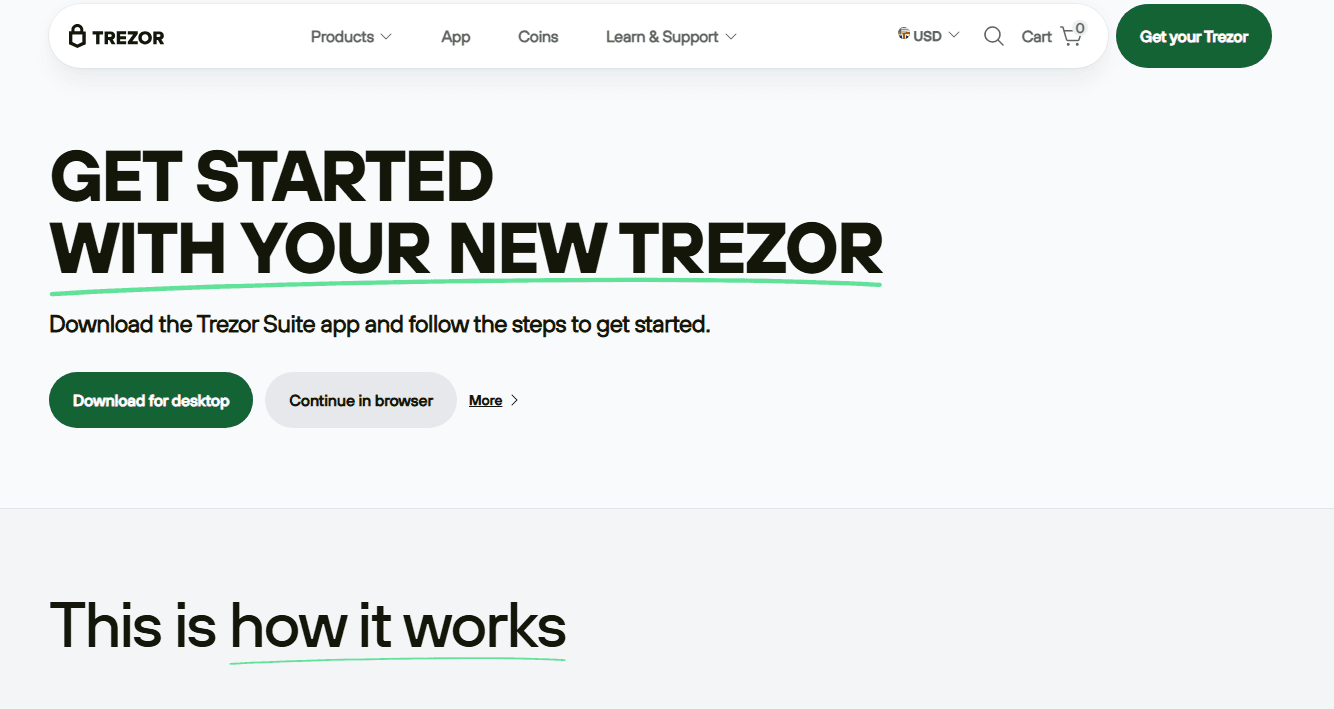
Trezor.io/Start: A Complete Introduction to Secure Crypto Onboarding
Introduction to Hardware Wallet Onboarding
As digital currencies become a mainstream part of modern finance, personal security has never been more important. Hardware wallets are one of the safest options for managing crypto assets, and Trezor remains a trusted name among users worldwide. The page often referred to as “trezor.io/start” acts as the official starting point for people setting up their device for the first time. It provides reliable information, introduces essential concepts, and helps users establish secure practices even before they begin moving their assets.
Why a Dedicated Start Page Matters
The cryptocurrency environment is filled with both opportunities and risks. A mistake such as following the wrong link or using an unofficial setup guide can have serious consequences. A dedicated start page exists to eliminate uncertainty and give users a verified place to begin their journey. With countless phishing sites and misleading tutorials online, a trusted resource ensures that beginners do not stray into dangerous territory. This centralized approach streamlines the onboarding experience and gives users confidence that they are following the correct information from an authentic source.
The Role of Hardware Wallets in Crypto Security
One of the core reasons hardware wallets exist is to safeguard private keys, which serve as the foundation of crypto ownership. Unlike mobile or desktop applications that operate within systems vulnerable to malware, hardware wallets isolate private keys within a secure, offline environment. Even when connected to software or a browser interface, the keys remain protected inside the device. Learning this security model helps new users understand why hardware wallets deliver a strong advantage in protection and why proper initialization is essential.
Introducing the Recovery Seed
During the initial setup of any hardware wallet, users are introduced to the recovery seed—typically a list of randomly generated words. This seed is the master key to the wallet. Anyone who gains access to it can access the associated funds. Because of its importance, users are instructed to store the seed manually and offline, ensuring it is never photographed, typed into digital devices, or saved to cloud services. The start page emphasizes these points to help users form safe habits early and avoid common mistakes that could compromise their assets.
Security Verification and Authenticity Checks
With the growing popularity of cryptocurrency, scammers frequently attempt to mirror official tools or distribute fake wallets. An official start page strengthens user security by teaching how to verify that a device, software interface, or firmware update is legitimate. Learning to rely only on official downloads, inspecting packaging for tampering, and avoiding unofficial sources are crucial steps. These authenticity checks help protect users from counterfeit products and prevent attempts to steal sensitive information.
Understanding the Difference Between PINs, Passphrases, and Seeds
Clear distinctions between security features help users avoid confusion. A PIN serves as the first layer of protection, securing access to the physical device. A recovery seed is the backup for the entire wallet, needed to restore access if something goes wrong. A passphrase, when used, provides an additional layer of optional security. Understanding how each of these elements works—and how they differ—prevents accidental exposure or mismanagement. The start page breaks down these definitions so users can use their device safely and effectively.
Learning About Irreversible Transactions
Unlike traditional banking systems, crypto transactions cannot be reversed once confirmed. This irreversible nature is a powerful feature of blockchain technology but also a responsibility for users. The onboarding content encourages careful review of every action taken, emphasizing the importance of double-checking addresses, reviewing amounts, and confirming that the destination is correct before final approval. Learning this early helps users avoid common mistakes and reinforces careful behavior when transferring funds.
Avoiding Common Cryptocurrency Scams
Scams targeting crypto users often take advantage of inexperience. These scams may appear as fake support agents, misleading advertisements, phishing emails, or fraudulent pop-up messages. A proper onboarding process warns users about these threats and reinforces a strict rule: never share the recovery seed with anyone under any circumstances. By teaching users to recognize suspicious activity and avoid unsafe communication channels, the start page contributes to stronger protection against the most widespread crypto-related attacks.
The Value of Official, Updated Information
Crypto tools and interfaces evolve quickly. New security features, updated software, and revised best practices can appear frequently. A centralized onboarding page ensures that users always follow the latest information. It prevents misunderstandings caused by outdated third-party tutorials and ensures consistency regardless of when a person begins using their hardware wallet. Staying aligned with current guidance helps users maintain long-term confidence and safety.
Building Long-Term Security Habits
The onboarding process is just the first step toward secure cryptocurrency management. Long-term protection requires ongoing habits such as keeping the recovery seed safely stored, applying firmware updates when needed, avoiding suspicious links, and staying alert to new scam tactics. As users accumulate more digital assets, maintaining careful habits becomes increasingly important. The start page helps set the tone for responsible behavior, giving users the knowledge they need to manage their crypto securely over time.