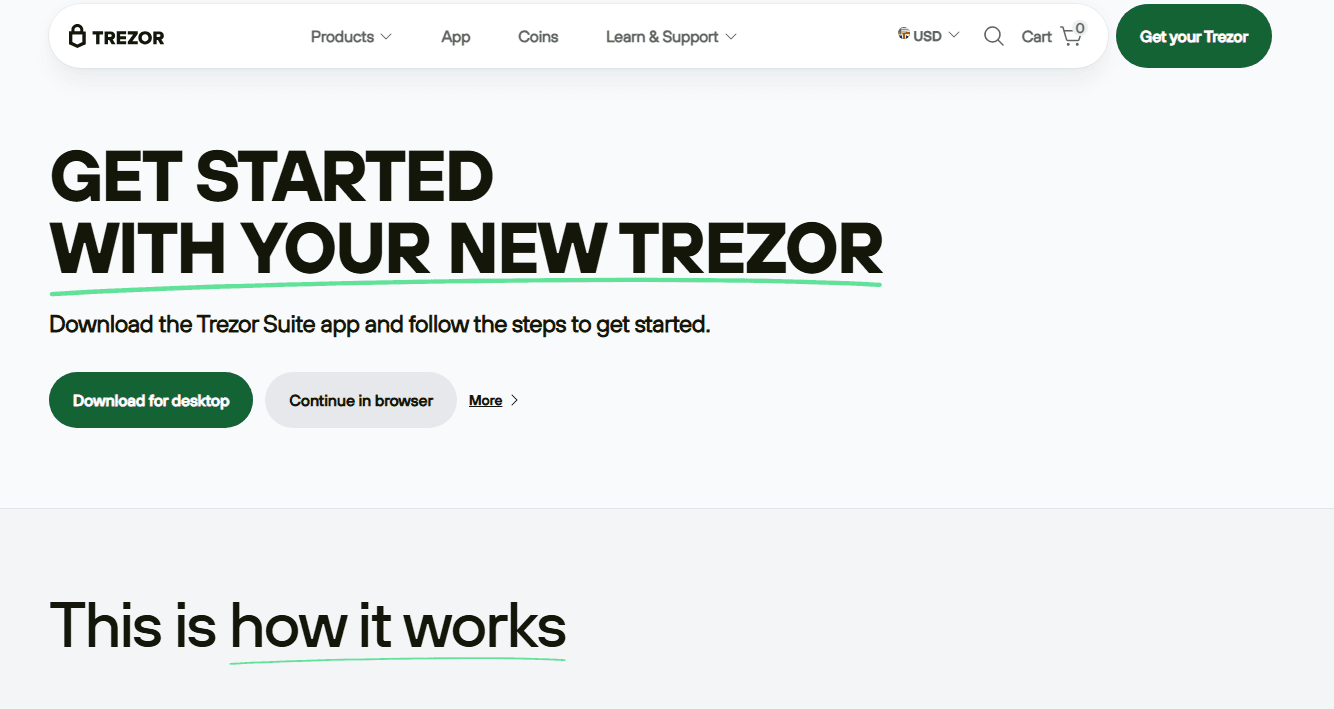
Trezor.io/Start: Understanding the Importance of Secure Crypto Onboarding
For anyone entering the world of cryptocurrency, one of the first lessons quickly learned is the importance of security. Digital assets may live on decentralized networks, but the responsibility for protecting them rests entirely with their owner. This is where hardware wallets come into play, and Trezor is among the most recognized names in this space. The page often referenced as “trezor.io/start” serves as the official onboarding hub for new users who want to initialize their device, learn how to protect their recovery seed, and understand the basics of keeping their digital wealth safe.
At its core, the purpose of a dedicated start page is to ensure that every user begins their crypto journey with correct, verified information. When it comes to digital asset security, small mistakes can have big consequences. By directing users to a single trustworthy source, the process reduces the risk of phishing, misconfiguration, and accidental exposure of sensitive data. It also provides clarity during a process that may feel technical to people who are new to hardware wallets.
A hardware wallet like a Trezor device is built on the idea that private keys—those cryptographic secrets that allow users to access their funds—should never leave the secure environment of the device. This principle is what makes hardware wallets more secure than software-based wallets, which run on everyday computers or smartphones that can be compromised by malware. Even though a hardware wallet interacts with an online interface, the private keys remain locked inside the physical device. Understanding this separation helps new users appreciate the security model behind the device and its setup flow.
One of the most important concepts emphasized in any hardware wallet onboarding process is the recovery seed. This is typically a list of words generated by the device during initial setup. Those words represent the encrypted form of the wallet’s private keys. Anyone who possesses the full recovery seed gains complete control over the associated crypto assets. Because of that, protecting the seed is arguably the most critical responsibility a user has. Most onboarding guides explain the need to keep this seed offline, written on paper or another secure medium, and never stored digitally. New users often underestimate how many types of malware are designed specifically to search for seed phrases saved in text files or screenshots. Teaching these basics early on helps prevent the most common forms of user-level security failures.
Another topic often included in a proper onboarding experience is the importance of verifying the device and software. Using only official firmware, ensuring that packaging has not been tampered with, and avoiding unofficial applications are all part of keeping a hardware wallet trustworthy. As more people enter the crypto ecosystem, counterfeit devices and look-alike websites have become a growing threat. Phishing sites can easily mimic legitimate pages, which is why directing users to the correct start page is so essential. Clear guidance reduces the likelihood that users will unintentionally expose themselves to harmful imposters.
Beyond the technical security information, a start page also serves another purpose: helping users understand how to interact with their cryptocurrencies safely and confidently. Many newcomers are surprised to learn that blockchain transactions are irreversible. Once a transfer is broadcast and confirmed, it cannot be undone. This immutability is one of the strengths of blockchain technology, but it also means that mistakes—sending to the wrong address, falling for a scam, or approving a malicious transaction—cannot be corrected after the fact. A structured onboarding guide teaches users to verify every detail before confirming any action with their hardware wallet.
The start process may also introduce broader best practices, such as checking the receiving address carefully, understanding what a passphrase is, and learning the difference between a PIN and a recovery seed. While the PIN protects access to the physical device, the recovery seed protects the wallet itself. These details matter, because mixing them up can lead to loss of access or accidental exposure of critical information. By clearly identifying each concept, the onboarding flow reduces user confusion and builds confidence.
Another advantage of a centralized start page is consistency. The cryptocurrency world evolves rapidly, and user interfaces, supported coins, or security recommendations may change over time. A single official page ensures that users are always following the most recent and accurate guidance. It also helps avoid outdated blogs, third-party tutorials, or community advice that may not reflect current best practices.
Finally, a proper onboarding experience emphasizes that long-term security is not a one-time task. While setting up a hardware wallet is the first step, maintaining secure habits is just as important. This includes storing the recovery seed safely, updating firmware when necessary, avoiding suspicious links, and staying aware of social engineering attempts. With the value of digital assets potentially increasing over time, the incentive for attackers also grows. Education is therefore a continuous process, and a clear start page helps set users on the right path from the beginning.
In summary, a page like trezor.io/start is more than just a setup wizard. It is an introduction to the principles of cryptocurrency security, an assurance that users begin with accurate instructions, and a resource that empowers people to take control of their digital wealth responsibly. As more individuals explore the world of blockchain assets, the role of secure onboarding becomes increasingly essential.